Have you had the stablecoin conversation yet?
A practical guide for Kenyan freelancers on handling stablecoin invoices, escaping PayPal account freezes, and clearing USDC straight to M-PESA in 3 minutes.

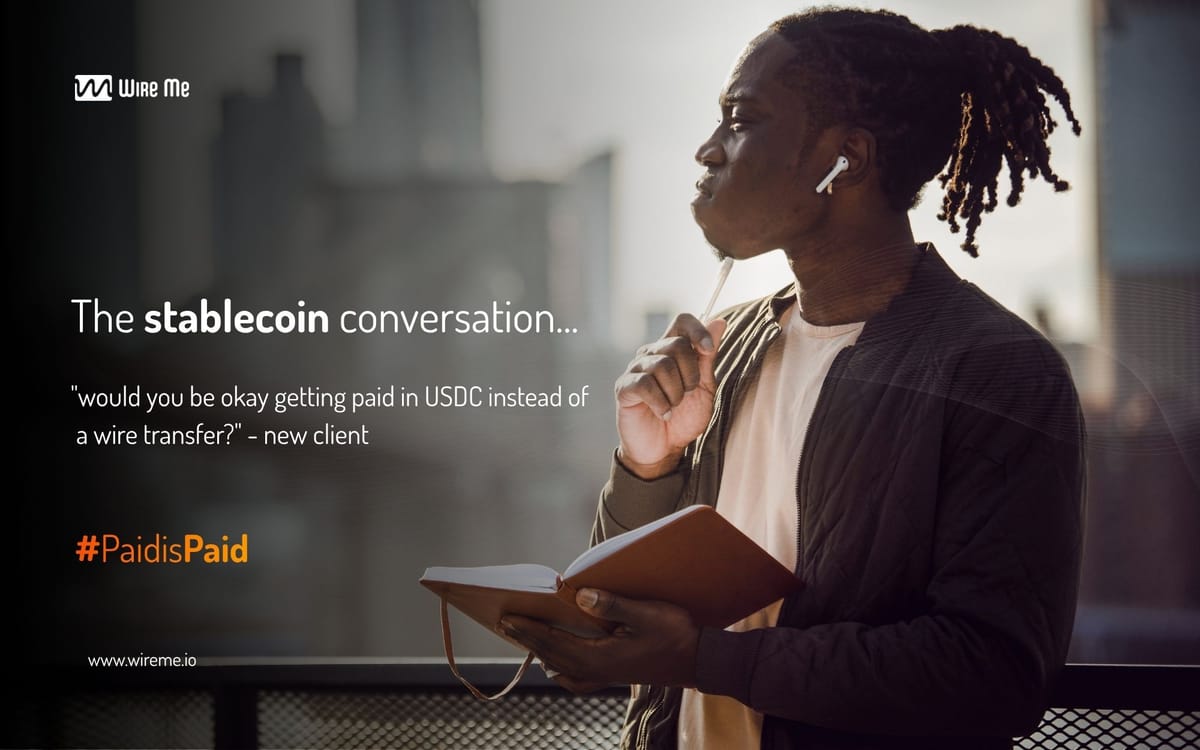
It starts the same way for most freelancers. A client, usually a new one, sends a message that goes something like: "would you be okay getting paid in USDC instead of a wire transfer?"
For a lot of remote workers in Kenya, that question used to be confusing, maybe even a little suspicious. Today it's becoming routine. This post is about why that shift is happening, what it actually means for your money, and what to ask before you say yes.
Why clients are asking in the first place
Cross-border payments were never built with freelancers in mind. They were built for banks moving large sums between institutions, with fees and settlement times to match. When that infrastructure gets applied to a $300 invoice for a design job or a week of contract development, the freelancer absorbs the cost: a cut taken by the payment processor, a conversion spread on the exchange rate, and a wait of anywhere from two to seven business days before the money is usable.
Clients have started noticing this too, especially when a delayed or rejected payment means a missed deadline on their end. Stablecoins, digital assets pegged 1:1 to the US dollar, settle in minutes rather than days and don't route through the same chain of intermediary banks. For a client paying a Kenyan freelancer, that's a faster, cheaper way to close out an invoice. For the freelancer, it can mean a different problem: how do you actually turn a stablecoin balance into cash you can spend.
The part nobody explains well
This is usually where the conversation stalls. A client offers to pay in stablecoins, the freelancer agrees because the rate and speed sound better, and then they're left holding a balance in a wallet with no clear path to their bank account or M-Pesa line. Kenya's placement on the FATF grey list has made this worse in a specific way: it pushed global platforms like PayPal to tighten their automated compliance filters on Kenyan accounts, which is part of why so many freelancers have a personal story about a frozen or limited account with no local channel to dispute it.
That's the middleman risk freelancers are trying to get away from in the first place, and it's frustrating to trade one bottleneck (slow bank transfers) for another (a stablecoin balance with no easy off-ramp).
what actually happens after you accept
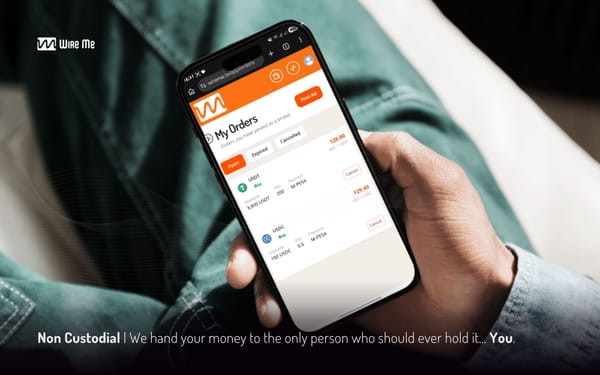
The client's stablecoins land in your non-custodial wallet, yours alone, nobody can freeze or hold it. From there, cashing out to M-Pesa is three steps.
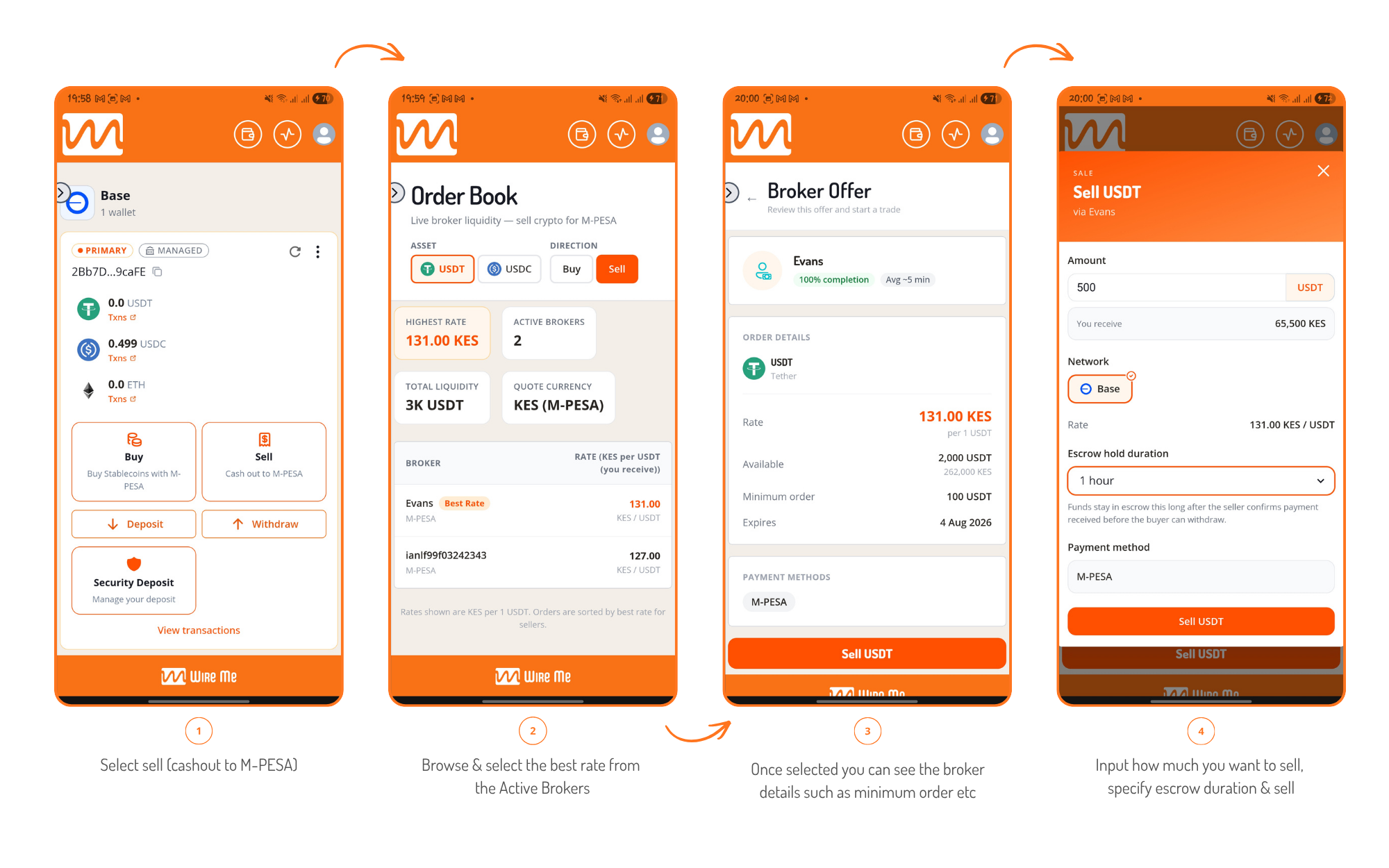
1. Tap sell. Choose to cash out to M-Pesa.
2. Pick your rate. Browse the live order book of active brokers, compare rates and limits, and choose the best offer. Nothing is hidden: you see the exact payout before you commit, for example 500 USDT at 131 KES lands as 65,500 KES.
3. Confirm and let escrow do the work. Enter your amount, set an escrow duration, and confirm. A smart contract locks the funds and only releases them once your M-Pesa payment is confirmed, so neither side is exposed to the other backing out.
No P2P scramble, no exchange holding your balance, no waiting on a stranger to feel like it. Just a live rate, a locked escrow, and Shillings in your M-Pesa.
So, should you say yes next time?
Yes. Say yes.
Freelancers already know what it feels like to have a payment processor freeze a month's income with no warning and no appeal. Stablecoins remove that single point of failure: the money sits in a wallet only you control, not a processor's, and it settles to M-Pesa in minutes instead of sitting in review for weeks.
If you don't have that path set up yet, that's the conversation worth having before the next invoice goes out, not after the funds are already sitting in a wallet you don't know how to use.
WireMe exists for exactly this handoff: a non-custodial account with direct, instant clearing to M-Pesa, so getting paid in digital dollars is as simple as getting paid any other way. #PaidIsPaid
Settle your next invoice directly: wireme.io/landing/paid-is-paid