Kenya's P2P crackdown: what every broker should understand right now
P2P trading in Kenya has shifted from dodging basic scams to surviving state-backed account freezes and innocent-looking dirty money. Here is why custodial custody is the single point of failure exposing P2P brokers to indefinite lockouts, and what non-custodial architecture actually changes.

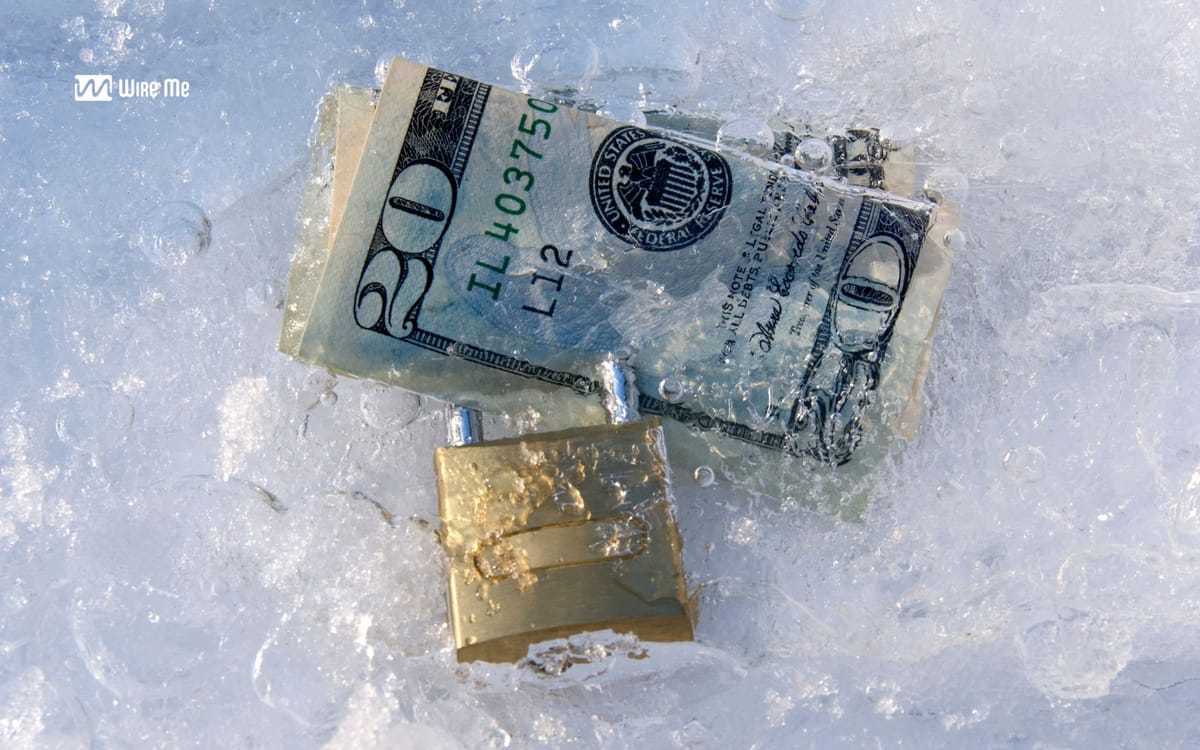
If you trade P2P in Kenya, you’re already feeling the heat. The risk used to be about reversed M-PESA payments and stolen accounts. In 2026, it's about something much more insidious. Little by little, platforms are making it known that they have complete control over you. Eroding your autonomy with little regard for your business.
Here's why you should be concerned.
Accounts are being frozen with no explanation
Since April 2026, Kenya's National Police Service and Directorate of Criminal Investigations have been requiring custodial P2P exchanges to restrict trader accounts as part of a broader enforcement push. Binance, as the dominant P2P venue in Kenya, has been the most visible example.
Under the hashtag #BinanceUnmasked, hundreds of traders have reported being locked out of funds for over sixty days, with no charges filed, no court order shown to them, and no timeline for resolution.
The platform's own response has largely been to direct affected users to contact the DCI or NPS directly, which for most traders means an indefinite wait with no clear next step. This is a law enforcement mandate playing out at scale, not one exchange's individual decision, and any custodial venue operating in Kenya is subject to the same pressure.
Clean-looking money is not the same as safe money
In May 2026, a P2P trader was arrested at an I&M Bank branch while withdrawing funds sourced through a major exchange's P2P marketplace. The DCI's Capital Markets Fraud Investigation Unit had traced roughly 58 million Kenyan shillings, tied to an investment fraud scheme, moving through completely ordinary paybill and mobile money channels before reaching his accounts. Nothing about the individual payments looked unusual. The name matched. The rails were the ones everyone uses. The money still turned out to be radioactive.
This is the part worth sitting with. Identity matching and payment verification, the standard tools brokers already lean on, tell you the person paying is who they say they are. They don't tell you where the money came from before it reached you.
Why custody is the real lever behind these freezes
Look at what actually made the account restrictions possible in the first place. A custodial platform can restrict a trader's access at law enforcement's request because the platform holds the funds to begin with. That's the entire mechanism. It doesn't require anyone to seize anything from the trader directly, only for the platform to comply, because the platform already controls the account. That's also why it could happen to hundreds of traders at once, with no individual court order shown to any of them. The lever exists because custody exists.
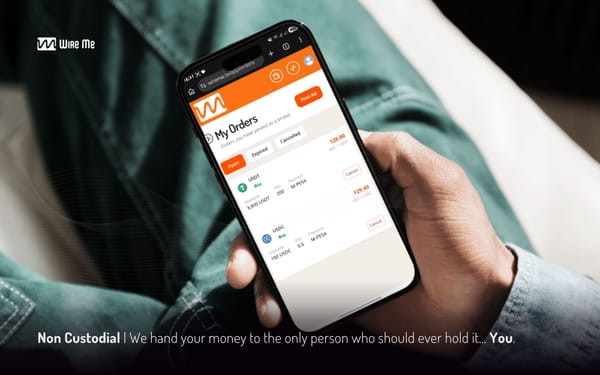
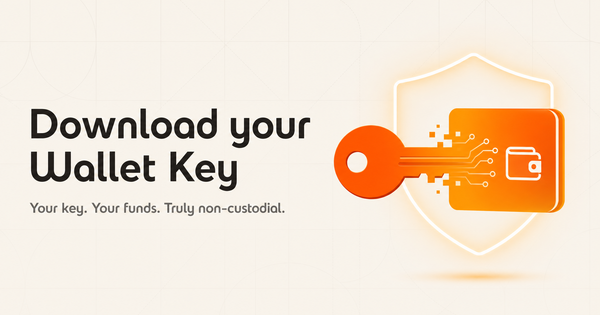
Non-custodial platforms remove that specific lever. If a platform never holds a broker's funds, there's no account on the platform's side to freeze. The broker's assets sit in a wallet only the broker controls, and no third party, including the platform itself, has a switch to flip that cuts off access. This isn’t a promise we make. It's what happens when you build non-custodial instead of custodial. There's no account on our end to restrict, because we never held your funds to begin with.
It's worth being precise about what this does and doesn't change. It closes off the platform-directed freeze risk, which is exactly the mechanism behind the #BinanceUnmasked restrictions. The second risk, the arrest at a bank branch, sits on a different leg entirely. WireMe's infrastructure runs on the stablecoin side, while KES moves directly between broker and client over M-PESA, wallet to wallet, never touching our systems. We have no leg of that transaction to monitor. Different mechanism, different owner. Ask any platform directly what it does about fiat tracing before assuming it's covered.
The question that actually matters now
The question used to be 'how do I avoid getting scammed?' That's still worth asking. But what should concern you now is different. What may have started as a clean trade can leave your account frozen or trigger an investigation weeks later. What matters now is whether your platform can turn you into a target, guilty or not.
In part two, we'll show you how a non-custodial platform like WireMe hands some of that control back, so no one can lock you out of your money.
Ready to see how WireMe handles this differently? Get started at wireme.io
Sources: reporting from Kenya Insights, TechCabal, and BitKE on Kenya's 2026 P2P account restrictions; Cryptopolitan and BitKE on the related arrest.