The M-PESA reversal scam, and the 3 ways sellers shut it down
I've had this conversation with too many brokers and users. They sell stablecoins for KES, see the money land in M-PESA and assume they're done. Days later, the payment is reversed and the money is gone.
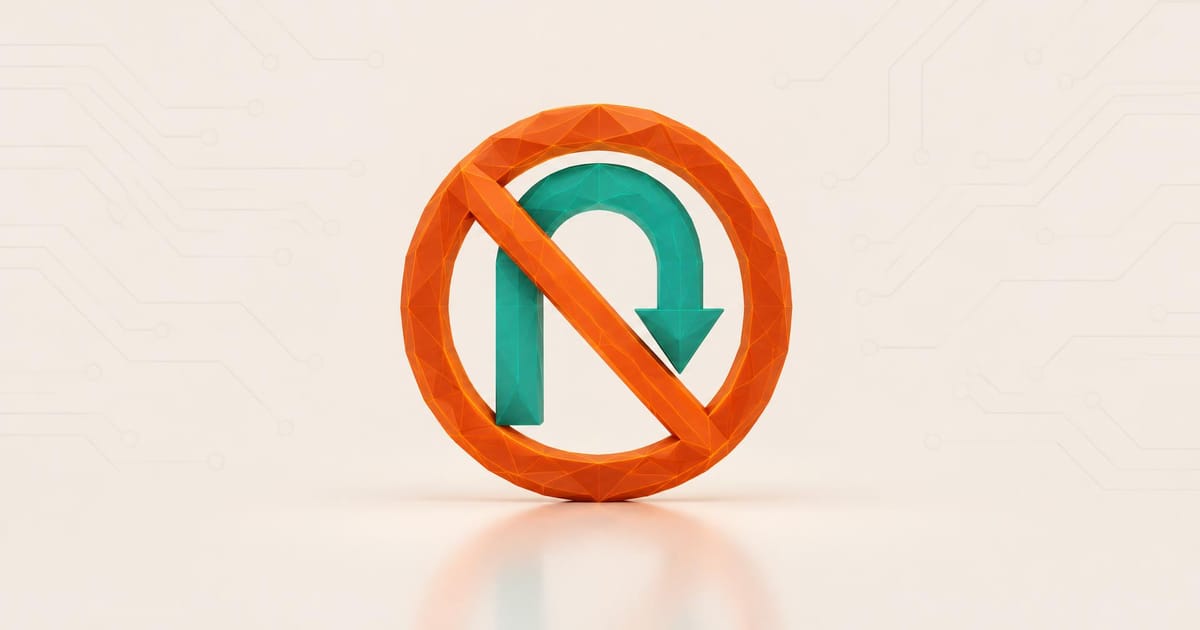
The problem is a fundamental difference between the two sides of the trade. Stablecoin transfers are final. M-PESA payments can be reversed.
Here's how the scam works:
You find a buyer for your USDC. They send the M-PESA, you confirm it landed, and you release the USDC. Then, behind your back, the buyer tells Safaricom the money went to the wrong number and asks for it back. If Safaricom sides with them, the money goes back to the scammer, and you're left with neither the USDC nor the shillings.
Here's how to avoid reversals so this doesn't happen to you.
(1) Get paid to Pochi la Biashara
Pochi la Biashara is a free business wallet that sits on your existing M-PESA number. No new SIM, no paperwork. Safaricom's own product page is blunt: "Payment once received cannot be reversed without the approval of the business owner."
Small traders noticed. Pochi accounts more than doubled in the year to September 2024, to 869,020. Business Daily and The Kenyan Wallstreet both reported that fear of reversals drove the growth.
- Dial *334# and opt in to Pochi la Biashara. Pick a business category.
- Tell your buyer to pay to Pochi la Biashara, not Send Money. Your number stays the same, so spell it out.
- Before you release anything, check that the money landed in your Pochi balance, not your personal M-PESA balance.
The catch: the protection depends on the buyer choosing Pochi. If they use Send Money to the same number, the payment lands in your personal wallet like any other transfer.
(2) Get paid to a till that sweeps to your bank
A Lipa na M-PESA Buy Goods till moves your proceeds out of M-PESA entirely. Individuals can get one with a national ID. To settle to a bank, you'll also need a KRA PIN and your bank details. A Paybill works the same way, but it needs a registered business.
Buyers can't reverse a till payment with an SMS to 456. Customer care has to contact you, the merchant, for permission first. Then turn on Auto Schedule Withdrawal so the till sweeps to your bank automatically. Many banks, including KCB, Equity, Co-op, NCBA and Stanbic, settle in real time.
Let's be precise about what this does and doesn't buy you. Till terms still require you to refund payments made in clear error, and Safaricom can suspend a merchant account during a dispute. Money in your bank is outside M-PESA's reversal tools, but a police case or a court order can still reach it. What changes is that nobody can undo your sale with a text message.
The cost is low. Under the tariff Safaricom introduced in August 2026, Buy Goods payments up to KSh 500 are free for the merchant. Above that you pay about half a percent, capped at KSh 200. On a KSh 50,000 sale, that's KSh 200.
(3) The hack: empty the wallet
The usual P2P advice is to forward the money to another phone the moment it lands. It works, technically. The reversal system checks the recipient's balance, and Safaricom's terms only allow a reversal of funds that haven't been spent.
It comes with trade-offs.
As risk. Safaricom's terms let it freeze an account it suspects of receiving fraud-linked money. Funds that arrive and leave within seconds are exactly the pattern its anti-money-laundering systems are built to flag.
As law. If the money really was sent in error, the terms say withholding it can lead to prosecution. Forwarding it to someone else's number also runs into the rule against using your account for other people's transactions.
As cost. Every forward is another fee.
As protection. It doesn't stop a police case. It just makes you look like the one hiding money.
If you use it, know what you're trading. Pochi and a till give you the same protection without these risks.
Before you release the stablecoins
Whichever way you get paid, run these checks every time.
- Check your actual balance in the M-PESA app or by USSD. Never trust an SMS alone. Real messages come from "M-PESA", not a phone number. Forward fakes to 333.
- Make sure the payer's name matches your buyer. A stolen account is the one reversal you can genuinely lose.
- Never approve a reversal you didn't ask for. Safaricom will never send you to an agent to "complete" one.
- Keep the chat, the M-PESA message and the trade record. If it becomes a police matter, that's your evidence.
Once the stablecoins leave your wallet, there's no undo button. Make the M-PESA side just as final.
Where WireMe fits
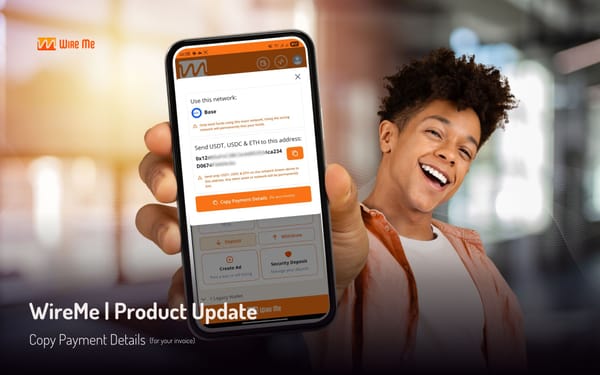
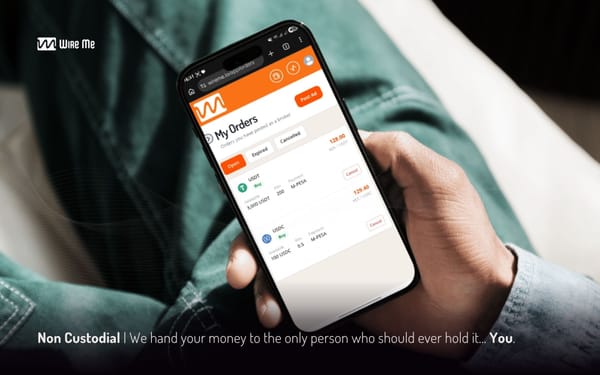
On WireMe, a smart contract locks your USDC and only releases it once your M-PESA payment is confirmed. Brokers are KYC-verified before they can trade. Pair that with a Pochi number or a till, and both legs of the trade are hard to undo.
Start selling at wireme.io